
Your shower is one of the most used fixtures in your home. Whether you’re getting ready for work in the morning or relaxing after a long day, you expect it to work properly every time.
When something goes wrong, such as low water pressure, a leaking shower, or a slow drain, it can quickly become frustrating. While some shower plumbing problems are easy to fix, others can lead to water damage, mold, and expensive repairs if ignored.
If you’re a homeowner in Toronto, understanding the most common shower plumbing problems can help you act early and avoid bigger plumbing issues. In this guide, you’ll learn what causes these problems, what you can check yourself, and when it’s time to call a professional plumber.
How Your Shower Plumbing System Works
Before looking at common problems, it helps to understand the basics.
Your shower plumbing system includes several parts that work together:
- Water supply lines
- Shower valve
- Shower cartridge
- Shower head
- Drain pipe
- Trap and drain assembly
If one of these parts fails, your shower may leak, drain slowly, or lose water pressure.
Signs Your Shower Has a Plumbing Problem
Many plumbing problems start small. Recognizing the warning signs early can save you time and money.
Look for these common signs:
- Low water pressure
- Water leaking from the shower head
- Water leaking behind walls
- Slow-draining shower
- Water not getting hot enough
- Strange noises when using the shower
- Mold or mildew around the shower
- Damp walls or ceilings near the bathroom
- Water pooling around the base of the shower
If you notice one or more of these signs, your plumbing system may need attention.
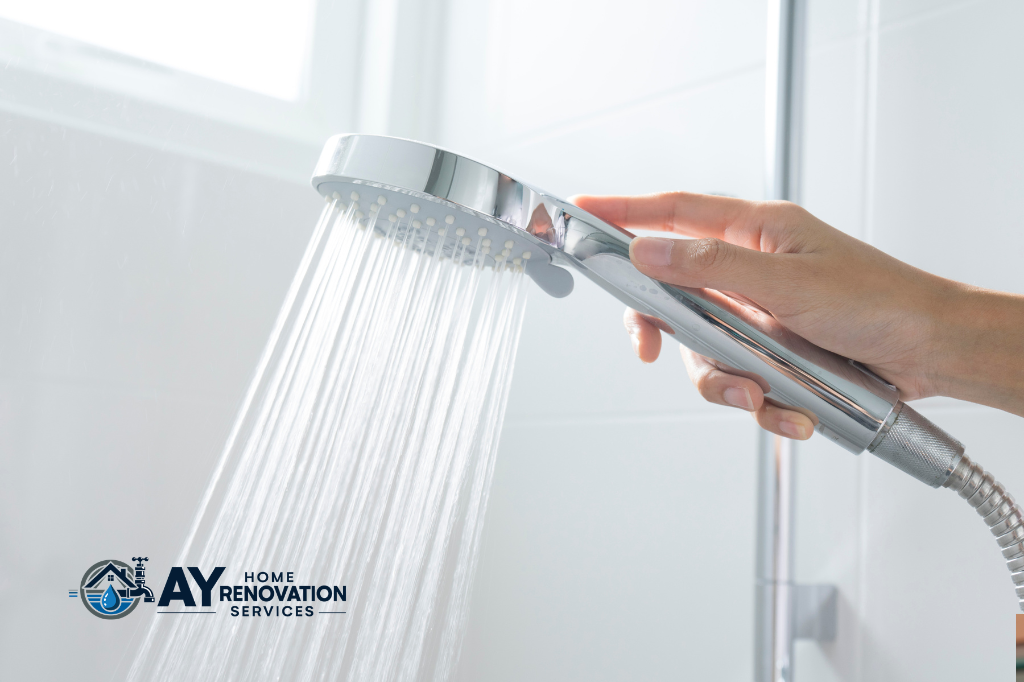
Why Is My Shower Water Pressure So Low?
Low water pressure is one of the most common complaints homeowners have.
Sometimes the pressure drops gradually, while other times it happens suddenly.
Mineral Buildup in the Shower Head
Over time, minerals from hard water collect inside the small holes of the shower head.
This buildup restricts water flow and makes the pressure feel weaker.
How to Fix It
- Remove the shower head.
- Soak it in white vinegar for several hours.
- Rinse and reinstall it.
Cleaning the shower head often restores normal water flow.
Clogged Shower Cartridge
The shower cartridge controls the flow and temperature of the water.
If debris or mineral deposits build up inside it, water pressure may decrease.
A damaged cartridge may need replacement.
Hidden Plumbing Leaks
A hidden leak inside the wall can reduce water pressure while also wasting water.
Signs of a hidden leak include:
- Wet drywall
- Peeling paint
- Mold growth
- Higher water bills
Hidden leaks should be repaired as soon as possible.
Corroded Pipes
Older plumbing systems may develop corrosion inside the pipes.
Corrosion narrows the inside of the pipe and reduces water flow.
If low pressure affects multiple fixtures, aging pipes could be the cause.
Shower Head Keeps Leaking
A dripping shower head may seem like a small issue, but it wastes water every day.
Common causes include:
- Worn washers
- Damaged shower cartridge
- Faulty shower valve
- High water pressure
Ignoring a dripping shower can increase water bills and lead to unnecessary wear on plumbing components.
Shower Faucet Is Dripping
If water continues dripping after turning off the shower, the faucet may be worn out.
This usually happens because:
- Internal seals have worn down.
- The cartridge has failed.
- Valve components have become damaged.
Replacing worn parts may solve the issue, but older faucets are often better replaced completely.
Shower Drain Is Slow
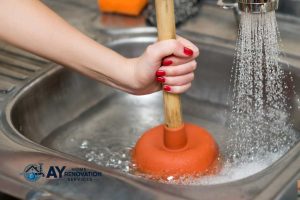
Standing water around your feet is usually a sign of a clogged shower drain.
The most common causes include:
- Hair buildup
- Soap scum
- Shampoo residue
- Small objects accidentally dropped into the drain
What You Can Try
- Remove visible hair from the drain cover.
- Flush the drain with hot water.
- Use a drain-safe cleaner if recommended.
- Avoid using harsh chemical drain cleaners frequently.
If the drain continues clogging, a deeper blockage may exist.
Water Is Leaking Around the Shower
Water outside the shower is never normal.
Leaks can happen because of:
- Damaged caulking
- Broken grout
- Cracked shower pan
- Faulty plumbing connections
Even small leaks can damage flooring, drywall, and nearby rooms over time.
Water Leaking Behind the Wall
This is one of the most serious shower plumbing problems.
Possible causes include:
- Broken water supply pipes
- Loose plumbing fittings
- Damaged shower valve
- Cracked pipe joints
Signs include:
- Soft drywall
- Bubbling paint
- Water stains
- Musty smells
Leaks inside walls should be repaired immediately to prevent mold and structural damage.
Shower Water Isn’t Hot Enough
If your shower never gets hot enough, several issues may be responsible.
Possible causes include:
- Water heater problems
- Incorrect shower valve settings
- Faulty mixing valve
- Mineral buildup
If other faucets also have no hot water, the problem may be with the water heater rather than the shower itself.
Inconsistent Water Temperature
Does your shower suddenly become hot or cold without warning?
Possible reasons include:
- Failing pressure-balancing valve
- Worn shower cartridge
- Problems with the home’s plumbing system
Modern shower valves help maintain a more consistent water temperature.
Mold Around the Shower
Mold is often a sign that moisture is escaping where it shouldn’t.
Common causes include:
- Hidden plumbing leaks
- Poor ventilation
- Damaged grout
- Water escaping behind tiles
Ignoring mold can affect both your bathroom and indoor air quality.
Strange Noises When Using the Shower
Your shower should operate quietly.
If you hear:
- Whistling
- Banging
- Vibrating
- Humming
there may be:
- Loose pipes
- High water pressure
- Worn valves
- Air trapped in the plumbing system
These sounds should be investigated before they become larger plumbing problems.
Simple Shower Maintenance Tips
Many shower plumbing problems can be prevented with regular care.
Helpful maintenance tips include:
- Clean the shower head every few months.
- Remove hair from the drain regularly.
- Check for leaks around fixtures.
- Replace cracked caulking promptly.
- Watch for signs of mold.
- Clean mineral deposits before they build up.
Routine maintenance extends the life of your plumbing system.
When DIY Repairs Are Enough
Some small shower issues can be handled without professional help.
You may be able to:
- Clean the shower head
- Replace a shower head
- Remove hair from the drain
- Reapply bathroom caulking
- Tighten loose shower handles
However, avoid taking apart plumbing components unless you’re confident in the repair.
Signs You Need Professional Shower Plumbing Repair
Some problems require professional equipment and experience.
Call a plumber if:
- Water pressure stays low after cleaning the shower head.
- Water leaks behind the wall.
- The shower keeps dripping after repairs.
- Drains clog repeatedly.
- Water damage appears around the bathroom.
- Mold continues returning.
- Water temperature constantly changes.
- You suspect hidden pipe leaks.
Professional plumbers can identify the root cause before the damage becomes worse.
How Modern Shower Upgrades Improve Performance
If your shower is older, replacing outdated fixtures can improve both comfort and efficiency.
Benefits include:
Better Water Pressure
Modern shower fixtures provide smoother and more consistent water flow.
Improved Water Efficiency
New shower heads use less water while maintaining strong performance.
Better Temperature Control
Updated shower valves help maintain a steady water temperature.
Lower Maintenance
Newer plumbing fixtures require fewer repairs and are easier to maintain.
Preventing Future Shower Plumbing Problems
Preventive maintenance is the best way to avoid expensive repairs.
Here are some simple habits:
- Never ignore small leaks.
- Clean drains regularly.
- Install a hair catcher.
- Schedule plumbing inspections.
- Replace worn fixtures before they fail.
- Keep bathroom ventilation working properly.
Small maintenance tasks today can prevent major plumbing repairs later.
Why Toronto Homeowners Should Address Shower Problems Early
Many homes in Toronto have plumbing systems that have been in service for many years. Over time, normal wear, mineral buildup, and aging components can affect shower performance.
Ignoring early warning signs often leads to:
- Higher repair costs
- Water damage
- Mold growth
- Increased water bills
- More extensive plumbing work
Fixing shower plumbing problems early helps protect your home and keeps your bathroom working efficiently.
Frequently Asked Questions
Why is my shower water pressure suddenly low?
A clogged shower head, mineral buildup, a faulty shower cartridge, or a hidden plumbing leak are some of the most common causes.
Why does my shower keep dripping after I turn it off?
A worn cartridge, damaged valve, or faulty internal seal is usually responsible for a dripping shower.
What causes a shower drain to clog?
Hair, soap scum, shampoo residue, and other debris are the most common causes of slow or blocked shower drains.
When should I call a plumber for shower problems?
If you have leaks behind the wall, repeated drain clogs, changing water temperature, or low water pressure that doesn’t improve after basic cleaning, it’s time to contact a professional plumber.
Can an old shower reduce water pressure?
Yes. Older shower heads, worn cartridges, mineral buildup, and aging plumbing components can all reduce water pressure over time.
Conclusion
Your shower should provide reliable water pressure, proper drainage, and consistent hot water every day. When problems like leaks, slow drains, or low pressure appear, addressing them early can prevent bigger plumbing issues and costly repairs.
Regular maintenance, quick attention to warning signs, and timely repairs help keep your shower working properly for years to come.
If you’re experiencing ongoing shower plumbing problems in Toronto, AY Plumbing offers professional shower repair, leak detection, drain cleaning, and plumbing services to help restore your bathroom quickly and efficiently.