

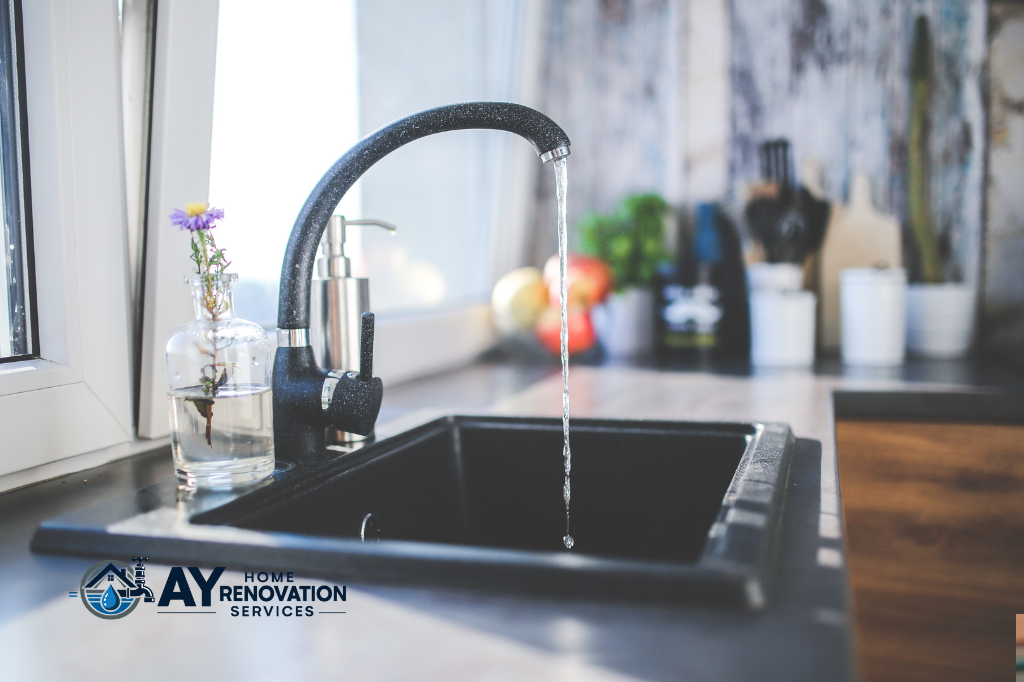
Your kitchen and bathroom faucets are some of the most used fixtures in your home. Every day, they help with cooking, cleaning, washing dishes, and personal care. Like any plumbing fixture, faucets wear out over time.
A small drip or a loose handle may not seem like a big problem at first, but these issues can become worse if they are ignored. Replacing an old faucet at the right time can improve water flow, reduce water waste, and give your kitchen or bathroom a fresh new look.
If you’re a homeowner in Toronto, this guide will help you recognize the signs that it’s time to replace your kitchen or bathroom faucet before it leads to bigger plumbing problems.
How Long Does a Kitchen or Bathroom Faucet Last?
Most quality faucets last between 15 and 20 years with proper care. However, their lifespan depends on several factors, including:
- Water quality
- Frequency of use
- Installation quality
- Regular maintenance
Even if a faucet still works, age can affect its performance and efficiency.
Your Faucet Keeps Leaking
A leaking faucet is one of the clearest signs that replacement may be needed.
A slow drip might not seem serious, but over time it can waste a surprising amount of water and increase your utility bills.
A faucet may continue leaking because of:
- Worn internal parts
- Corroded components
- Damaged cartridges
- Old seals
Sometimes replacing a small part solves the problem. But if the faucet continues leaking after repairs, replacing the entire fixture is often the better long-term solution.
Rust or Corrosion Is Visible
Rust and corrosion are common in older faucets.
You may notice:
- Brown or green stains
- Rust around the base
- Corrosion near the handles
- Mineral deposits that won’t come off
Corrosion doesn’t just affect appearance. It can weaken the faucet and eventually cause leaks or poor performance.
If rust continues spreading, replacement is usually the safest option.
Low Water Pressure
Has your faucet suddenly lost water pressure?
Before assuming there’s a plumbing problem, check whether the issue only affects one faucet.
Low pressure may be caused by:
- Mineral buildup
- A clogged aerator
- Internal faucet damage
- Worn cartridges
Cleaning the aerator may improve water flow. However, if pressure remains low after cleaning, replacing the faucet may solve the problem.
The Handle Is Loose or Hard to Turn
Faucet handles should move smoothly.
If you notice that the handle is:
- Loose
- Difficult to turn
- Stiff
- Wobbly
the internal parts may be worn out.
While some handle problems can be repaired, repeated issues usually mean the faucet has reached the end of its lifespan.
You Keep Paying for Repairs
Occasional repairs are normal, but frequent plumbing repairs can become expensive.
If you’ve already replaced:
- Washers
- Cartridges
- Seals
- Handles
and the faucet still causes problems, replacing it often makes more financial sense.
A new faucet provides better reliability and reduces the chance of future repairs.
Water Is Leaking Around the Base
Not every leak comes from the spout.
If you notice water collecting around the bottom of the faucet, it could be caused by:
- Damaged seals
- Loose mounting hardware
- Cracked faucet body
- Internal leaks
Water leaking beneath the faucet can damage countertops, cabinets, and flooring if left untreated.
Your Faucet Looks Outdated
Sometimes homeowners replace faucets simply to improve the appearance of their kitchen or bathroom.
Modern faucets offer:
- Sleek designs
- Better finishes
- Touchless technology
- Improved functionality
If you’re renovating your home, replacing old faucets is an easy way to update the space.
You’re Renovating Your Kitchen or Bathroom
Home renovations are the perfect time to replace plumbing fixtures.
Installing a new faucet during remodeling allows you to:
- Match your new sink
- Improve water efficiency
- Upgrade outdated plumbing fixtures
- Avoid future plumbing work after the renovation is complete
Replacing an old faucet during a renovation is usually easier and more cost-effective than doing it later.
Your Faucet Is Wasting Water
Older faucets often use more water than newer models.
Modern fixtures are designed to reduce water use while maintaining strong performance.
Benefits include:
- Lower water bills
- Better water efficiency
- Reduced environmental impact
A new faucet can help conserve water without sacrificing comfort.
Strange Noises When Using the Faucet
Your faucet should operate quietly.
If you hear:
- Whistling
- Squealing
- Banging
- Vibrating
there may be worn internal components or pressure-related issues.
While some noises come from the plumbing system, an aging faucet can also be responsible.
Benefits of Installing a New Faucet
Replacing an old faucet offers more than just better looks.
Homeowners often enjoy:
Improved Water Flow
New faucets provide smoother and more consistent water pressure.
Better Water Efficiency
Modern faucets are designed to use less water while maintaining good performance.
Fewer Plumbing Problems
Replacing worn-out fixtures reduces the risk of future leaks and repairs.
Better Home Appearance
A new faucet can instantly improve the look of your kitchen or bathroom.
Increased Home Value
Updated plumbing fixtures can make your home more attractive to future buyers.
Should You Repair or Replace Your Faucet?
Many homeowners ask whether repairing the faucet is enough.
A repair may be the right choice if:
- The faucet is fairly new
- Only one small part is damaged
- There are no signs of corrosion
Replacement is usually the better option if:
- The faucet is old
- Repairs keep adding up
- Rust is spreading
- Water pressure remains poor
- Multiple parts are failing
Choosing replacement early can save money over time.
Why Professional Faucet Installation Matters
Installing a faucet may look simple, but incorrect installation can cause:
- Water leaks
- Loose connections
- Water damage
- Reduced performance
A professional plumber ensures the new faucet is installed correctly and checked for leaks before the job is complete.
Why Toronto Homeowners Should Upgrade Older Faucets
Many homes across Toronto have aging plumbing fixtures that have been in use for many years. Older faucets are more likely to develop leaks, corrosion, and mineral buildup, especially in homes with long-standing plumbing systems.
Replacing outdated faucets before they fail completely can help prevent unexpected plumbing issues and improve the overall performance of your kitchen or bathroom.
Conclusion
Your faucet works hard every day, but it won’t last forever. Leaks, rust, low water pressure, loose handles, and repeated repairs are all signs that it may be time for a replacement.
Installing a new kitchen or bathroom faucet can improve water efficiency, reduce future plumbing problems, and refresh the appearance of your home.
If your faucet is showing these warning signs, AY Plumbing provides professional faucet replacement and installation services for homeowners throughout Toronto. Contact our team today for expert advice and reliable plumbing solutions.