
A blocked drain is one of the most common plumbing problems homeowners face. It often starts with a slow-draining sink, a bad smell, or water backing up in the shower. If ignored, a small blockage can turn into a major plumbing issue that requires costly repairs.
The good news is that many drain problems can be prevented with simple habits and regular maintenance. Understanding what causes drain blockages is the first step toward keeping your plumbing system working properly.
In this guide, we’ll explain the most common causes of drain blockages and share practical tips to help prevent them.
Signs Your Drain Is Starting to Block
Drain blockages rarely happen overnight. Most drains show warning signs before they become completely clogged.
Common signs include:
- Water draining slowly
- Gurgling sounds from drains
- Bad odors coming from sinks or showers
- Water pooling around drains
- Frequent clogs in the same fixture
- Water backing up into sinks or tubs
If you notice these symptoms, it’s best to act quickly before the blockage gets worse.
Grease and Food Waste Buildup
Grease is one of the biggest causes of kitchen drain blockages.
Many people pour cooking oil, fat, or grease down the sink because it looks harmless while it’s hot. However, grease cools quickly inside pipes and sticks to the pipe walls.
Over time, it traps:
- Food scraps
- Coffee grounds
- Small particles
- Soap residue
This buildup gradually reduces water flow until a blockage forms.
How to Prevent It
- Never pour grease down the sink
- Let grease cool and dispose of it in the trash
- Use sink strainers to catch food particles
- Scrape plates into the garbage before washing
Simple habits can significantly reduce kitchen drain problems.
Hair and Soap Scum
Bathroom drains frequently become blocked because of hair and soap buildup.
Hair easily gets caught inside drain pipes. Soap residue then sticks to the hair, creating a larger blockage over time.
This is especially common in:
- Shower drains
- Bathtub drains
- Bathroom sinks
How to Prevent It
- Use drain covers to catch hair
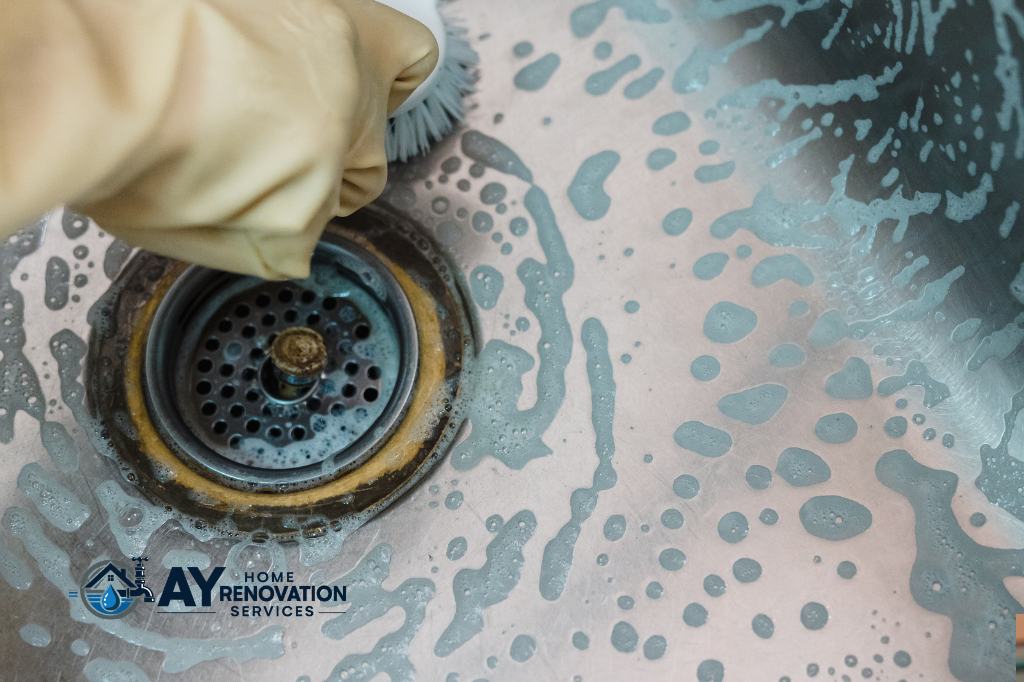
- Clean drain covers regularly
- Flush drains with hot water occasionally
- Remove visible hair before it enters the drain
Regular cleaning helps prevent buildup from becoming a serious problem.
Flushing the Wrong Items Down the Toilet
Many toilet blockages occur because items are flushed that should never enter the plumbing system.
Common examples include:
- Flushable wipes
- Paper towels
- Cotton swabs
- Feminine hygiene products
- Dental floss
Even products labeled as “flushable” can create problems inside sewer lines.
How to Prevent It
Only flush:
- Human waste
- Toilet paper
Everything else should go into the trash.
Tree Root Intrusion
Tree roots are a major cause of sewer line blockages, especially in older neighborhoods.
Roots naturally seek moisture. Small cracks in underground pipes allow roots to enter and grow inside the sewer line.
Once inside, roots can:
- Block wastewater flow
- Trap debris
- Cause recurring drain clogs
- Damage pipes
Many homeowners don’t realize roots are the problem until they experience repeated backups.
How to Prevent It
- Schedule regular sewer inspections
- Monitor large trees near sewer lines
- Address recurring clogs promptly
- Have sewer lines inspected if your home is older
Professional camera inspections can identify root intrusion before serious damage occurs.
Soap Scum and Bathroom Product Buildup
Many personal care products contribute to drain blockages.
These include:
- Soap residue
- Toothpaste
- Shaving cream
- Beauty products
Over time, these materials stick to pipe walls and narrow the passage for water.
How to Prevent It
- Run hot water after using sinks
- Clean drains regularly
- Avoid excessive product buildup
- Use drain-safe cleaning methods
Small maintenance steps can make a big difference.
Mineral Buildup From Hard Water
Hard water contains minerals that gradually collect inside pipes.
Over time, these mineral deposits can:
- Reduce pipe diameter
- Slow water flow
- Increase the risk of blockages
Homes with hard water often experience plumbing issues sooner than homes with softer water.
How to Prevent It
- Consider water treatment solutions
- Schedule plumbing inspections
- Address slow drainage early
- Clean fixtures regularly
Preventive maintenance helps reduce mineral buildup.
Foreign Objects in Drains
Accidental items can easily create drain blockages.
Common examples include:
- Jewelry
- Children’s toys
- Bottle caps
- Small plastic items
These objects can become trapped and catch other debris moving through the plumbing system.
How to Prevent It
- Use drain screens
- Keep small objects away from drains
- Supervise children near sinks and toilets
- Remove foreign objects immediately if dropped
Being careful around drains can prevent unnecessary repairs.
Aging or Damaged Drain Pipes
Older plumbing systems often develop problems that contribute to blockages.
Common issues include:
- Pipe corrosion
- Cracks
- Misaligned joints
- Collapsed sections
Damaged pipes can restrict water flow and create areas where debris collects more easily.
How to Prevent It
- Schedule regular plumbing inspections
- Replace aging pipes when necessary
- Address leaks quickly
- Investigate recurring drain problems
Older plumbing systems benefit from proactive maintenance.
How Regular Drain Maintenance Helps
Preventive maintenance is one of the best ways to avoid blocked drains.
Benefits include:
- Better water flow
- Fewer emergency repairs
- Longer pipe lifespan
- Reduced risk of sewer backups
Many homeowners wait until a drain is completely blocked before taking action. Regular maintenance helps prevent these situations.
Simple Maintenance Tips
- Flush drains with hot water regularly
- Use drain strainers
- Avoid pouring grease down sinks
- Remove hair from shower drains
- Schedule professional inspections when needed
Small efforts can help keep your plumbing system healthy.
When to Call a Professional Plumber
Some drain issues go beyond simple DIY solutions.
You should contact a plumber if:
- Drains keep clogging repeatedly
- Multiple drains are affected
- Water backs up into fixtures
- You notice sewage odors
- Slow drainage continues after cleaning
Recurring blockages often indicate a deeper issue within the plumbing system.
Professional plumbers can use specialized equipment to identify and remove the root cause of the problem.
Conclusion
Drain blockages are common, but many can be prevented with proper care and maintenance. Grease, hair, soap scum, tree roots, foreign objects, and aging pipes are among the most common causes of plumbing blockages.
By paying attention to warning signs and practicing good drain habits, homeowners can avoid many costly plumbing repairs.
When problems continue to return, professional drain cleaning and inspection services can help identify hidden issues before they become major plumbing emergencies.
Need Help With a Blocked Drain?
AY Plumbing provides professional drain cleaning, drain inspections, and plumbing repair services for homeowners dealing with recurring drain problems.
Contact us today to keep your drains flowing smoothly and prevent future plumbing issues.